What the Split Meant to Me
Posted by Pete Robbins on Mar 8th 2022
I don’t completely need to revisit the fact that there was a major fault line drawn a few years back when a large number of B.A.S.S. pros left the Elite Series to join the newly-formed Bass Pro Tour. Whatever you think of either circuit, or the pros who fish them, the split happened. As far as I know, just like Taylor Swift, they are never ever getting back together.
I’m kind of agnostic about the whole thing. I continue to work with BASS, so I follow them more closely, but of course I have friends on both sides of the fence. When appropriate, I still work with certain BPT pros on my writing for Inside Line, Outdoor Life, In-Fisherman, MeatEater and others. No hard feelings, everyone’s gotta go where their bread is buttered.
It doesn’t make sense to opine on which tour has a better product or better constituent parts. If I come down on the side of BASS you’ll say I’m a homer, and if I come down on the side of BPT, I get fired – and if I offer a nuanced explanation it just gets lost in translation. My job is just to do my job. At the same time, it has clearly been influenced by the split.
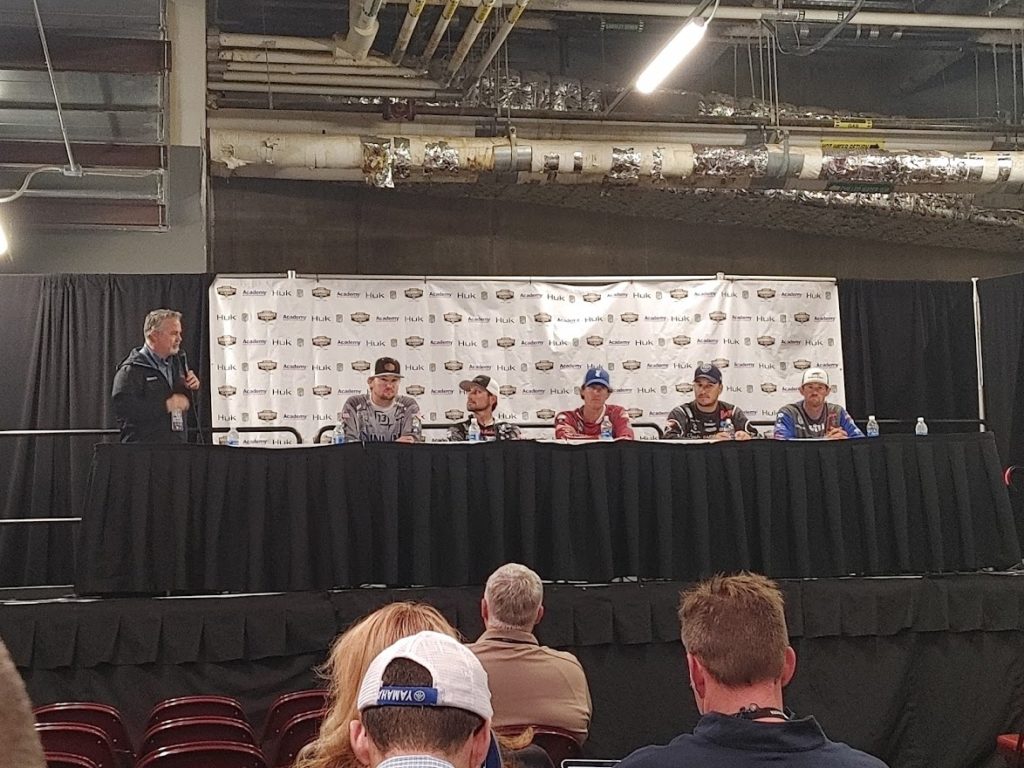
Prior to the 2019 season, I’d say that somewhere between 60 and 80 percent of the Elite Series pros either recognized my face or had my number in their virtual Rolodexes. Several called or emailed on the regular with article ideas and newsy tidbits. Today, I’d guess it’s more somewhere in the 10 to 20 percent range, and most of the ones who know me were on the Elites before the split – guys like Steve Kennedy, Chad Morgenthaler and John Crews. I realized this most of all when the 2nd through 6th finishers at the just-concluded Bassmaster Classic sat for a final day press conference and I’m sure none of them knew who I was. While I’ve interviewed four of the five, it’s never been face-to-face.
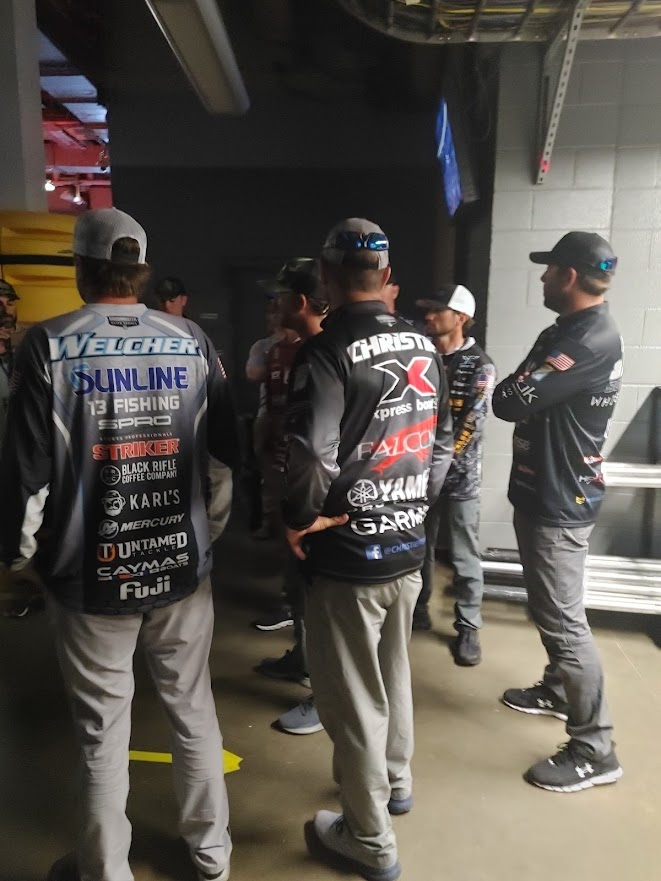
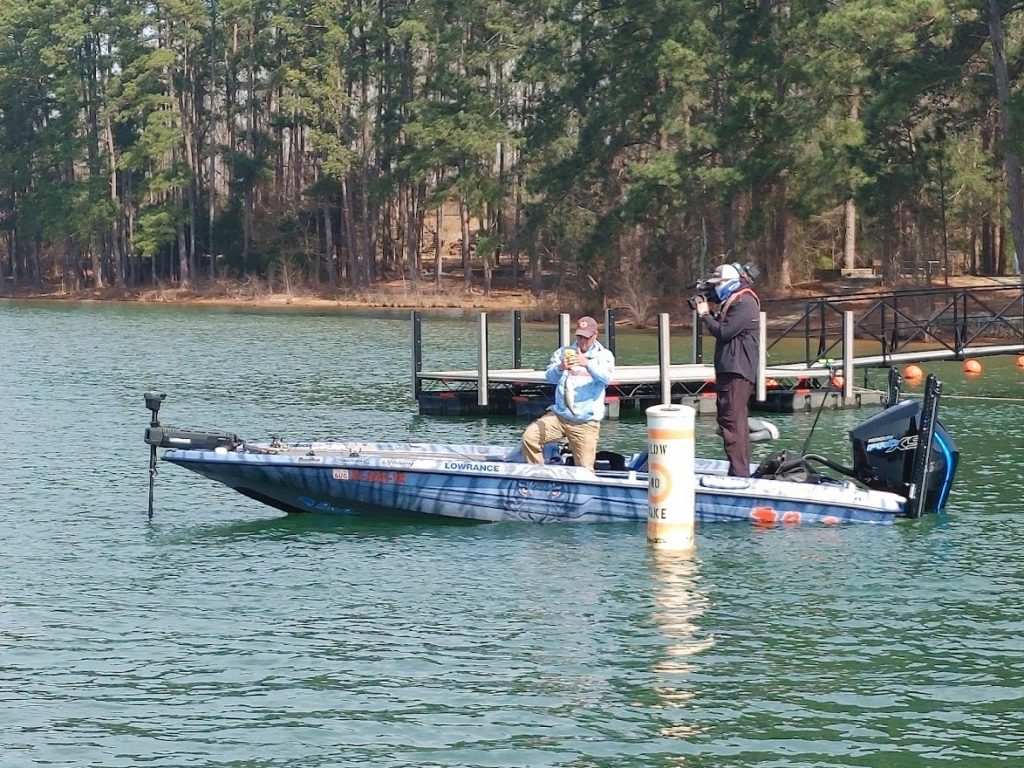
As a writer who only attends a few events per year, it’s hard for me to get facetime and build those relationships, but it’s a critical part of my job. After Day Two of the Classic, I wrote a feature about Steve Kennedy’s day. I was only able to get some of my insights because I’d previously spent time with SK and his family. I was only able to converse with him during the competition hours because I’d earned his trust. Nothing against Stetson Blaylock, who we followed for most of Day Three, but I don’t have that type of access to him, simply because we’ve worked less together.
One of the greatest things about covering this sport is that we have access to the contenders that simply isn’t possible in other sports. Since the rise of COVID, once-limited locker room access in the major arena sports has been decreased even more. Yet we can in many cases hang with them. It’s like the old days of baseball beat writers, a wild west of story gathering. Bassmaster’s Ronnie Moore, for example, has come to better know some of his contemporaries by playing Call of Duty with them. That blurred line means we have to use some discretion to recognize which factoids are implicitly or explicitly off the record. It also means that at some point we may have to draw a bright line between friendship and honest storytelling. I hope it doesn’t ever come to that, but it might. Our fishing media has been a little too wishy-washy for far too long.
In the meantime, I need to work on developing a stable of newer, younger pros who want to work for their sponsors and contribute to fishing media. With YouTube and social media freely accessible, that’s not as critical as it was before, but a cover of Bassmaster or a feature in B.A.S.S. Times is still kind of a big deal. Three or four guys who answer the phone and give pithy yet comprehensive answers would be a godsend. I may not have star making power, and I may not share the same cultural references that I did with the last generation of up-and-comers, but I’m looking to help make someone famous.