So You Wanna Drive a Camera Boat?
Posted by Pete Robbins on Jul 7th 2021
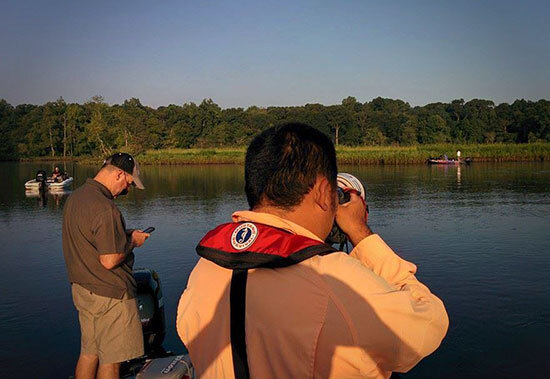

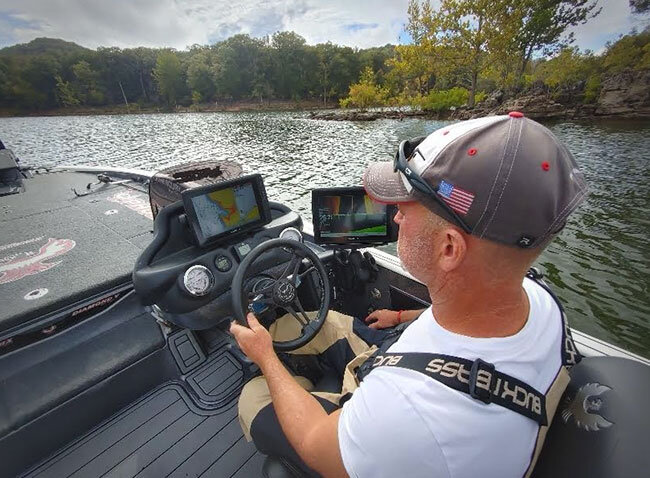
As I indicated on Tuesday, I had the opportunity to operate a camera boat over the weekend. It’s something I’ve done a number of times over the years, for B.A.S.S. and various television/web series. It’s a great way to meet some important people, make some extra scratch, and possibly see your home waters through the eyes of an expert angler. It can also be tremendously boring and/or dangerous on occasion.
If the opportunity presents itself, here are a few things to consider before you say “yes” along with a few strategies after you make the commitment:
Be Honest About Your Capabilities
Personally, I would only agree to run a camera boat as the primary driver/navigator on a body of water that I knew well or where I didn’t expect there to be any major navigational hazards. Even within waters you know well, there may be treacherous or difficult areas. Don’t go where you don’t know just to be a good guy.
Be Straightforward About What Your Boat Can Do
Find out in advance what they’re going to want you to do and where they’re going to want you to go. You may be a great driver, but the idea of taking three media members out in your 17’ Tracker on Erie in a windstorm is not wise. It might not even be wise with your 24’ center console. Similarly, if they want you up in a tailrace, you might suggest that they call your friend with the jet boat instead of you.
Don’t Agree to Unsafe Practices
Don’t go places that seem unsafe, don’t take more people than you comfortably can, don’t go out if conditions are brutal. When you sign up, of course there is risk and you’re committed for non-Chamber of Commerce days, but that doesn’t obligate you to put yourself, your riders, or your gear in peril.
Get Clarity on Insurance
If something happens to you, your passengers, or your boat, who will be liable for the damage? You want to make sure you’ll be covered by your own policy and also that you won’t be on the hook if someone gets hurt through your non-negligent or non-reckless behavior.
Settle on Compensation Ahead of Time
Find out what the company’s day rate or hourly rate will be, preferably in writing. Does that include gas, ramp fees, or other expenses, or is it a flat rate? Nothing works out worse in this situation (except perhaps an injury or a boat accident) than a disagreement over terms in the end. Even if you’re right, you won’t be invited back if there’s an argument.
Clear Out Your Gear
They’re probably going to bring more stuff than they need, and it may be packed in awkwardly-shaped storage containers (bags, Pelican cases, etc.). Some of it can remain on the floor or deck of your boat, but to reduce clutter and tripping hazards you’ll want to put all of the stuff that’s not constantly needed in storage compartments. That’ll protect their expensive gear, too. By removing your stuff, you’ll make space for them, reduce the chance of them damaging your tackle, and eliminate the temptation to make a few casts when you should be working.
Except for Safety Gear
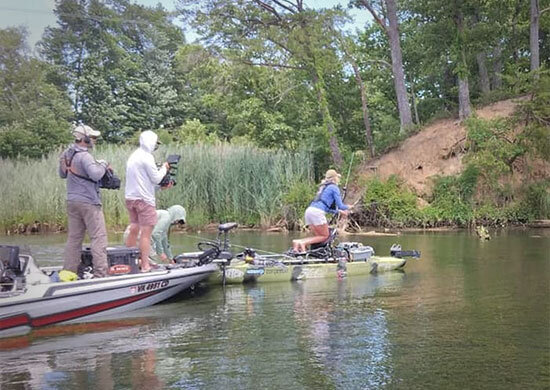

Of course, the above does not apply to safety gear and tools to fix the things that will inevitably go wrong – and things WILL go wrong at the worst possible time. Be sure to have enough PFDs for everyone, too. Even if they don’t wear them, it’ll keep you legal.
And Extra Protection from the Weather
Bring an extra rainsuit or two. If you have a Save Phace Mask or helmet, another will be much appreciated if it rains or sleets. Have extra warm hats and gloves if it’s cold.
And Food and Ice
There’s no such thing as too much food or too many drinks. Keep them fed and hydrated. If they forget their own lunch you’ll be appreciated, and if it’s something particularly good they’ll always want to be in your boat.
Are Seats Needed?
Ask how they’ll want to shoot photos or video and from what part of the boat. Some photogs like to operate the trolling motor to get the angles they want while others prefer for you to do it so they can focus exclusively on their shots. Most like to have either a fold-down or butt seat to rest their gear and their legs when possible.
Who Will Operate the Boat?
Anyone can run the trolling motor, but except for idling I’d recommend that you be the only one to operate the big engine. Nothing good can come of allowing someone else to drive your 70mph Hydroblaster.
Don’t Try to Prove Yourself
The worst driver to get is the one who wants to prove that he has the fastest boat on the lake. I’ve gotten the crap pounded out of me by several until I told them to slow down (Overstreet historically said the same in more colorful terms). Don’t tell them “VanDam would do better if he tried a different angle,” either. If you’re not out there fishing with him, STFU. Just relax, do your thing, and don’t do anything dumb.
Start Early and Stay Late
Showing up on time is the easiest thing to do – so do it. Don’t be the one to suggest going in early. You want to be there until the last cast unless the person giving the instructions wants you back. It’s really not a hard gig, even on the long days, even on days like the Hartwell Classic when it was 9 degrees at takeoff. Don’t make it harder than it needs to be.